The Former Norbertine Convent Complex in Żukowo
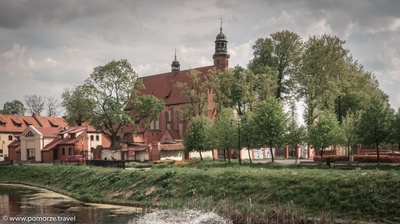
The Norbertine Convent Complex in Żukowo is the oldest architectural monument in Kashubia, with a rich history dating back to the 13th century. The monastery was established through the efforts of Duke Mściwój I and his wife Zwinisława, who in 1212 founded the abbey, initially donating four villages to the order. The Norbertine nuns, known for their strict rule, played a key role in the development of Żukowo, running a school for noblewomen and the daughters of Gdańsk patricians, where they taught handicrafts, including liturgical embroidery. Over time, this tradition evolved into the unique Kashubian embroidery, whose patterns have survived to this day as the "Żukowo School." The monastery was generously supported by local noble families, enabling the nuns to expand their estate, including mills, sawmills, and manors. In the 14th century, the convent was expanded, but in 1433, it suffered due to looting raids. In the 15th and 16th centuries, the nuns managed vast estates, had fishing rights on the Radunia Lakes, and ran a brewery, brickyard, and other enterprises. One of the most valuable monuments in the complex is the Gothic Church of the Assumption of the Blessed Virgin Mary, built in the 14th century. The interior of the church holds unique works of art, such as a crucifix from 1360, an alabaster relief of the Adoration of the Magi from the mid-14th century, as well as a Renaissance triptych and a main altar featuring a painting from the school of Herman Han. The church also houses a Baroque pulpit, confessionals, and an ornate choir balustrade.