December 1970, massacre of workers in Pomerania
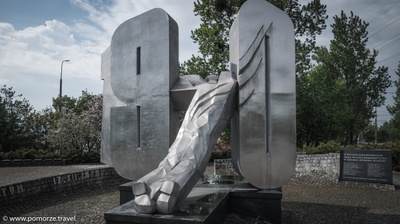
Violent protests erupted on the Polish Coast between December 14th and 22nd, 1970. The immediate cause of the demonstrations was the increase in prices of basic food products, which were approved and implemented on December 12th. The government was demanded to withdraw these increases, introduce wage system regulations, and dismiss those responsible for their implementation. On Tuesday, December 15th, the first clashes occurred in Gdańsk, where workers from the Lenin Shipyard declared a general strike. Around noon, shipyard workers seized a tank, which was secured on the premises of the Gdańsk Shipyard. An incident occurred near the railway station, where a sniper shot a random passerby because the fighting was taking place in another part of the city. There were also clashes with the Militia near the headquarters of the party's provincial committee, and late in the evening, this building was set on fire.
On December 16th, Wednesday, the protest spread to other plants on the Coast. The Gdańsk Shipyard was closed, and attempts to enter it were brutally suppressed. On December 17th, known as "Black Thursday," the authorities decided to use the military to restore order. In the early hours, soldiers opened fire on people heading to work at the Gdynia Shipyard, resulting in the deaths of innocent individuals. A march was organized, heading towards the shipyard, led by national flags, and clashes with the military occurred there. The march then moved towards the center of Gdynia, carrying the body of the killed shipyard worker Zbyszek Godlewski and national flags smeared with blood. Workers from other cities also joined the protesting workers of the Tricity. Protests were ongoing in Słupsk and Elbląg, and violent clashes with the Militia and military took place at the Szczecin Shipyard. After the arson of the Provincial Committee building of the PZPR, 16 people died.
On December 19th, additional workplaces in Poland joined the strike, including those in Białystok, Nysa, Oświęcim, Warsaw, and Wrocław. Although the protests were not as violent as in Gdańsk, Gdynia, or Szczecin, the Szczecin Shipyard was surrounded by military cordons, and clashes with the military also occurred in Elbląg. The strike in Szczecin ended on December 22nd, only continuing in that city. The plants in Gdańsk and Gdynia remained closed. All riot-affected cities on the Coast introduced a curfew. The toll of the fights was terrifying: 41 people died (1 in Elbląg, 6 in Gdańsk, 16 in Szczecin, and 18 in Gdynia), and 1164 were injured. Over 3 thousand people were detained. The forces used by the authorities included 5 thousand militiamen and 27 thousand soldiers.